
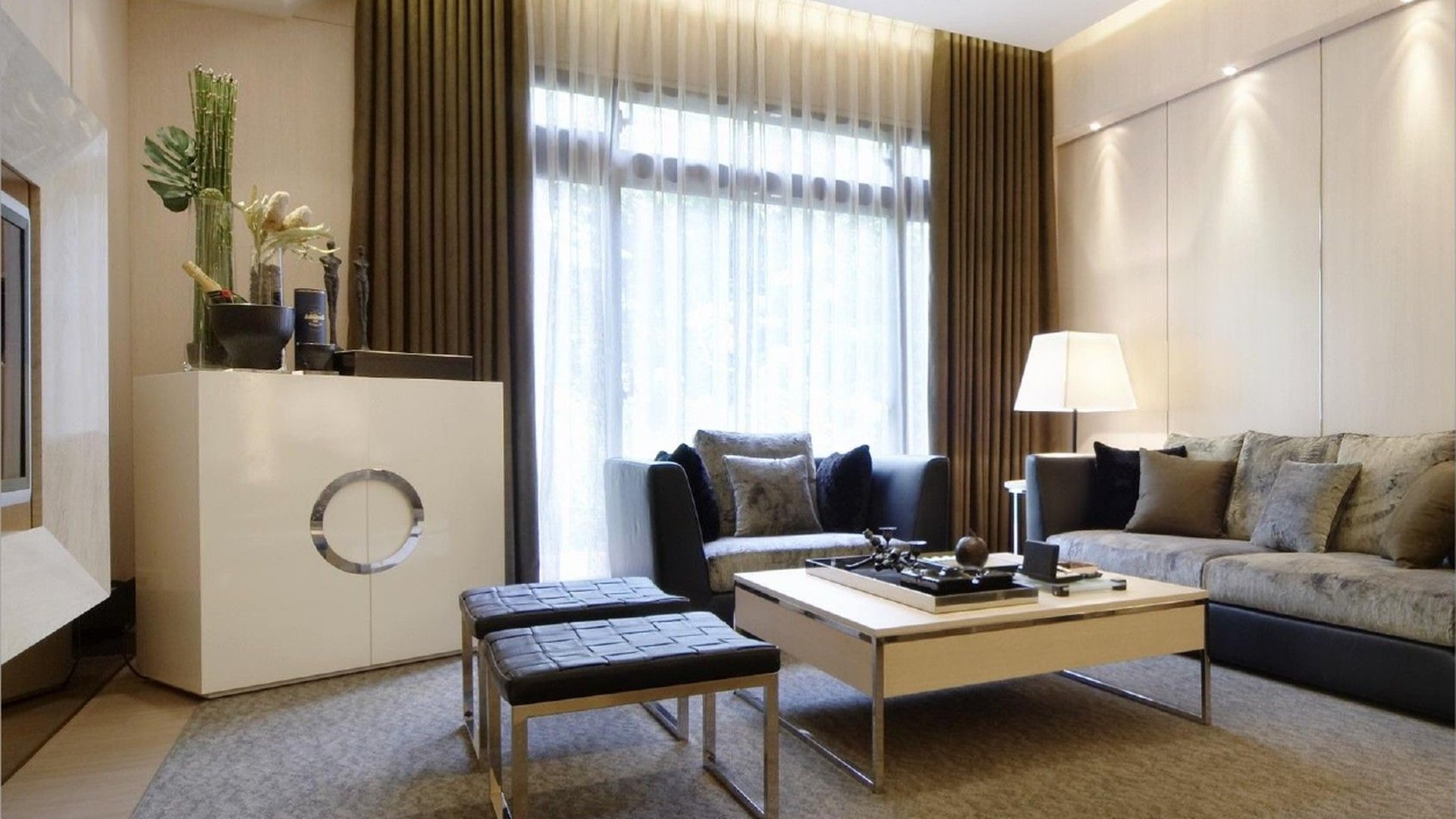
1818 Lens Wall Washer LED Strip
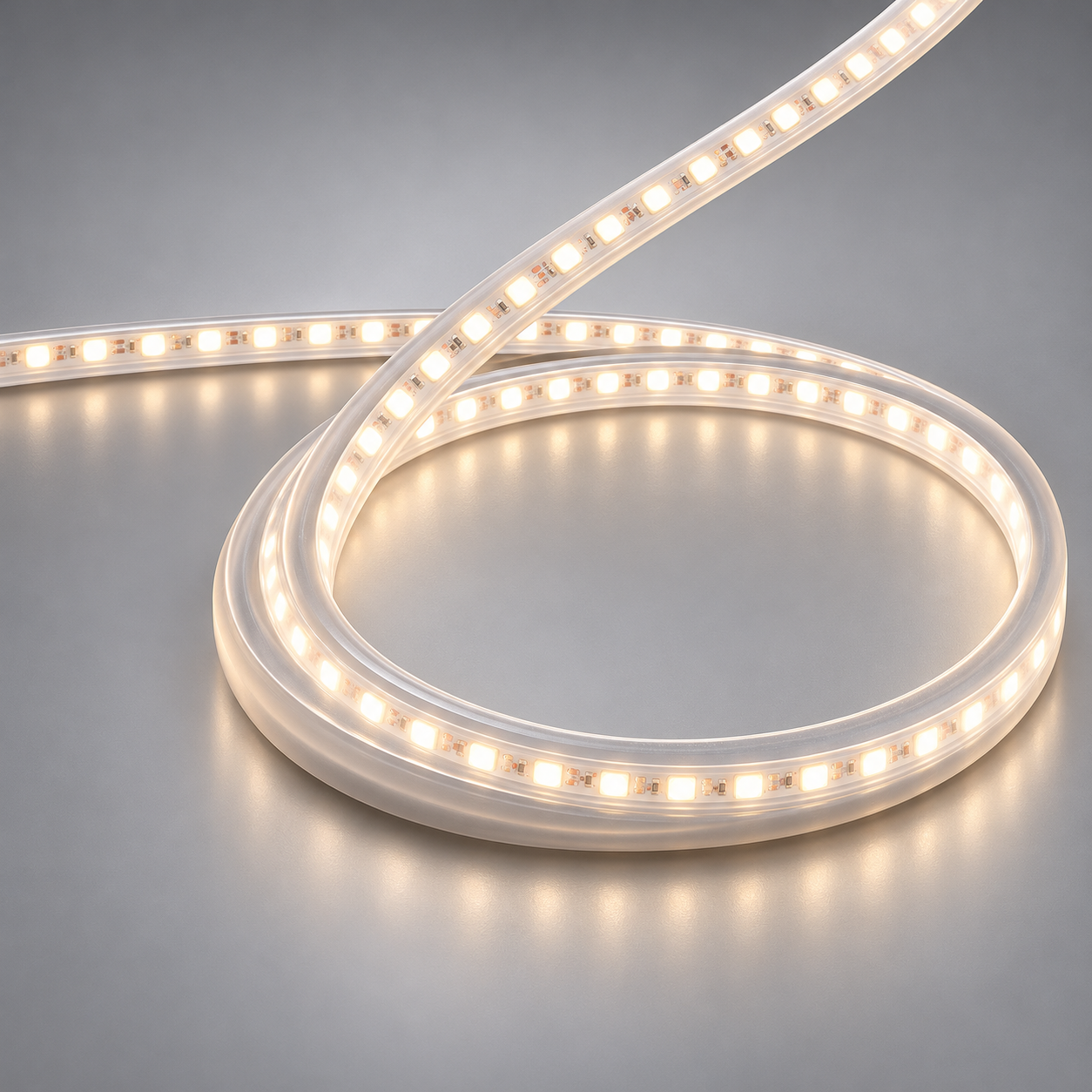
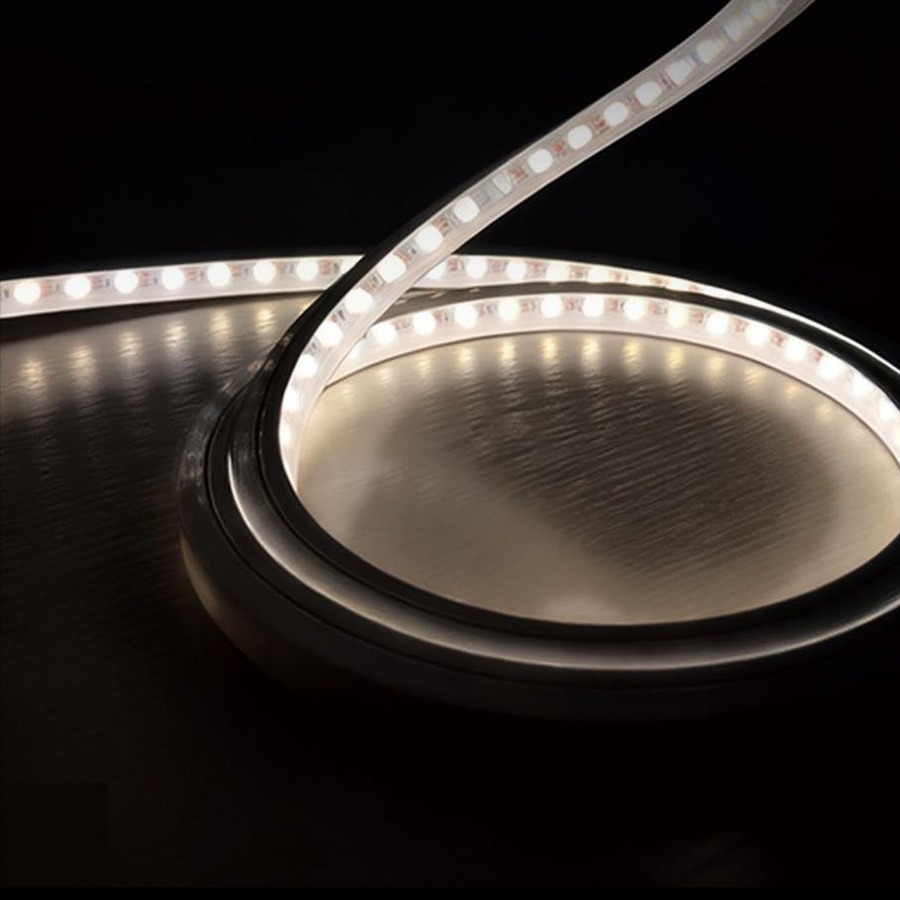
- SMD2835 48 chips/m
- one-LED cutting
- DC24V
- 18 W/m
- 1400 lm/m (CCT) / 400 lm/m (DMX512 RGB)
- 30° / 45° / 60° (25°/45°)
- IP65
- 150 mm
- SMD5050 48 chips/m, cut 125 mm, RGB / RGBW
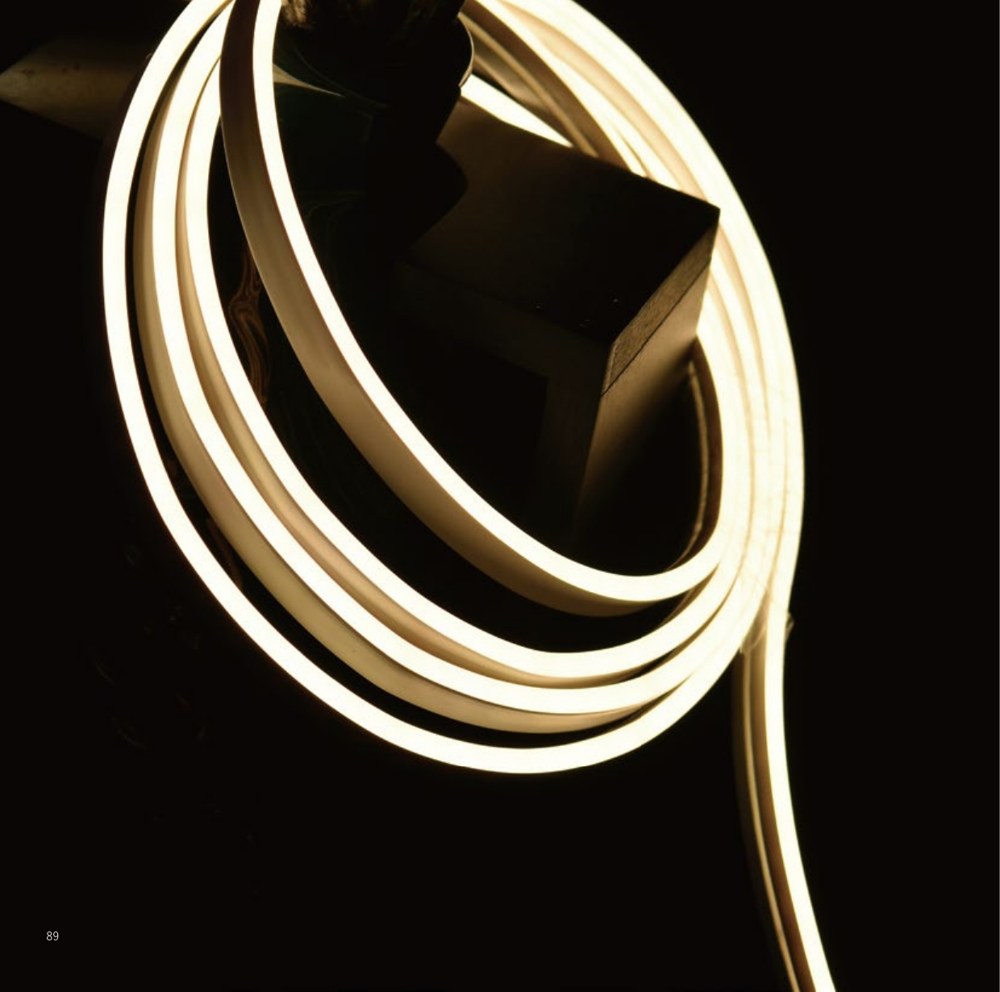
Integrated extruded lens wall washer with 30°/45°/60° beams; single/dual CCT and DMX512 RGB/RGBW options.
An extruded lens body built for even wall grazing
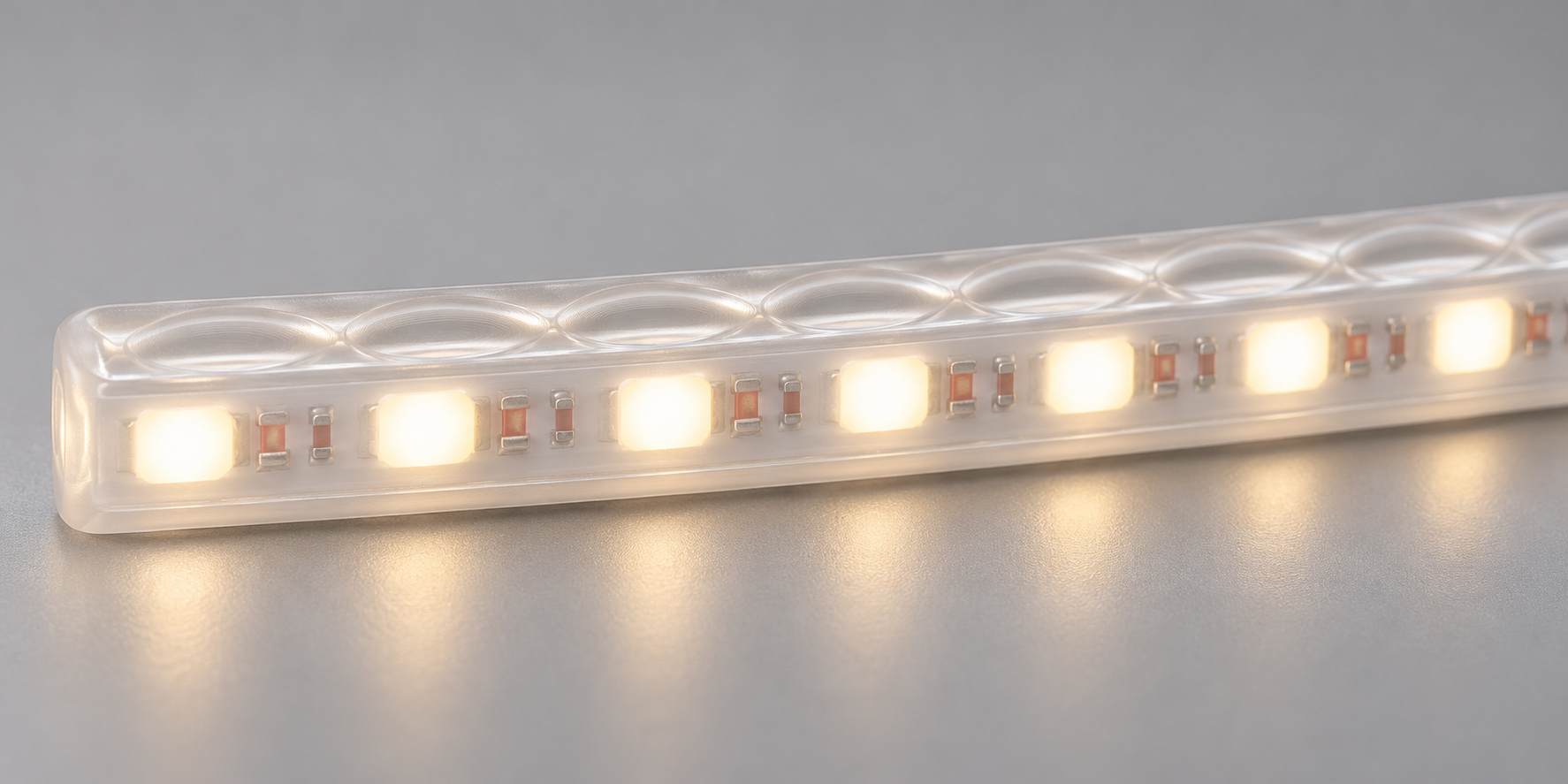
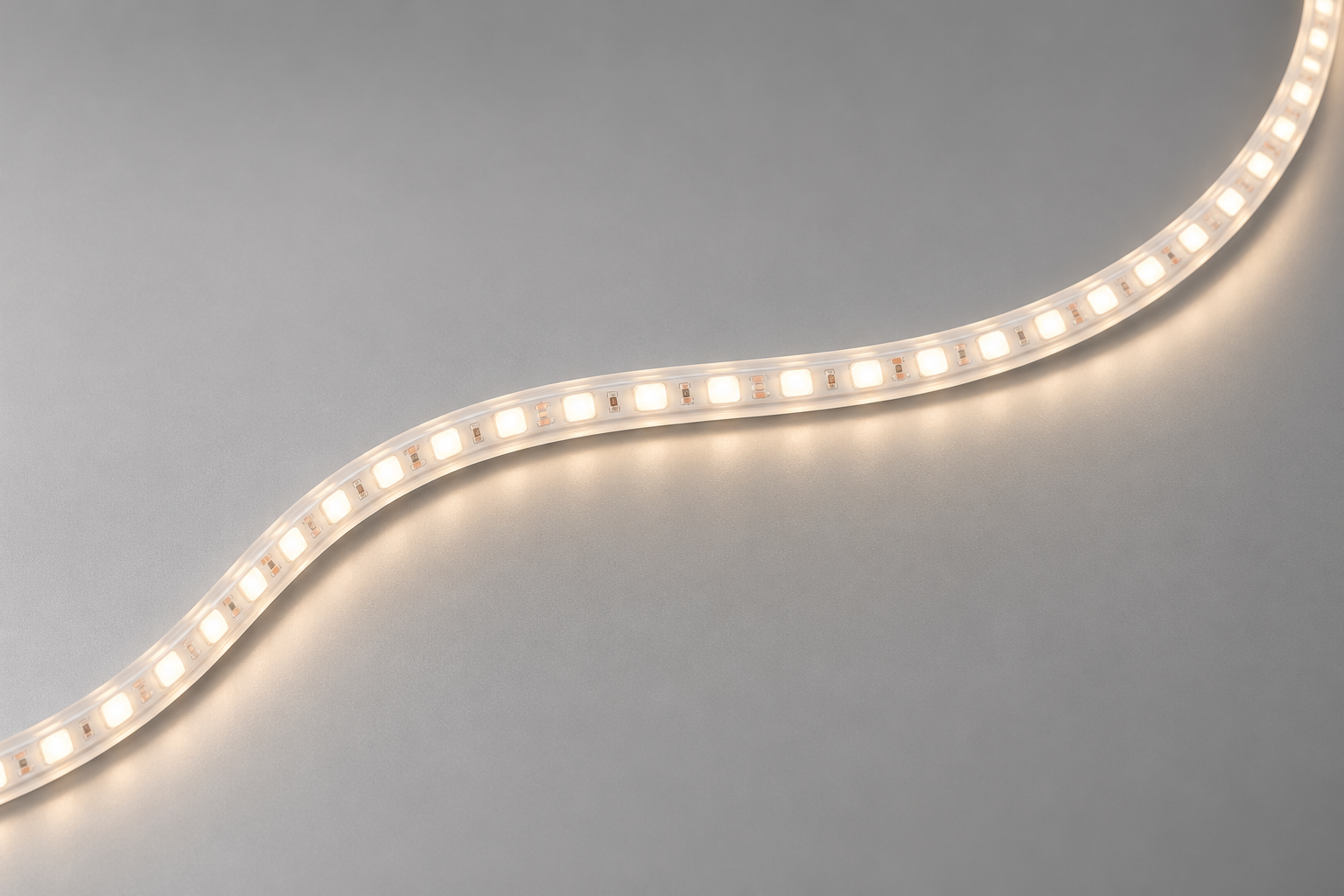
The 1818 Lens Wall Washer is a one-piece extruded silicone LED strip with an optical lens formed into the body. Instead of the dotted look of bare strip light, the lens shapes the output into a smooth, continuous band of light that runs up a wall or across a vertical surface. The strip runs on DC24V at 18 W/m and reaches 1400 lm/m in the CCT version, with 30°, 45° and 60° lens options so the width of the light band can be matched to the wall and the mounting distance. Single-color, dual-CCT and DMX512 addressable versions share the same extruded body and mounting logic.
Choosing the beam angle
The lens is the part that decides how the light band spreads on the wall, so the beam angle should be chosen together with the distance between the strip and the surface it washes. The available lenses are 30°, 45° and 60° (25°/45°):
30°
The tightest of the three options. It concentrates the light into a narrower, more defined band, which suits deeper setbacks where the strip sits further from the wall and a concentrated grazing effect is wanted.
45°
A middle setting that produces a balanced band. When the exact mounting distance is not fixed yet, 45° is the usual starting point to compare before deciding on a wider or narrower lens.
60° (25°/45°)
The widest spread, covering more wall height from a close mounting position. The 25°/45° variant combines two asymmetric spreads for a different distribution again, and is worth comparing when the wall wash must reach wider than a symmetric lens allows.
As a practical selection method: the closer the strip sits to the wall, the wider the lens usually needs to be for the light to reach the same height, while a longer setback can use a narrower lens. Checking the two together — mounting distance and required wash height — is the fastest way to narrow down the option, and the beam angle can be confirmed with a sample run before the full length is ordered.
Light output and color versions
Two electrical versions share the same body:
- CCT version (SMD2835, 48 chips/m) — single-color and dual-CCT variants cover 2700K–6500K, so warm, neutral and cool white — or a tunable white — can all be specified from the same strip. Output is 18 W/m and 1400 lm/m, the brightest configuration in the range.
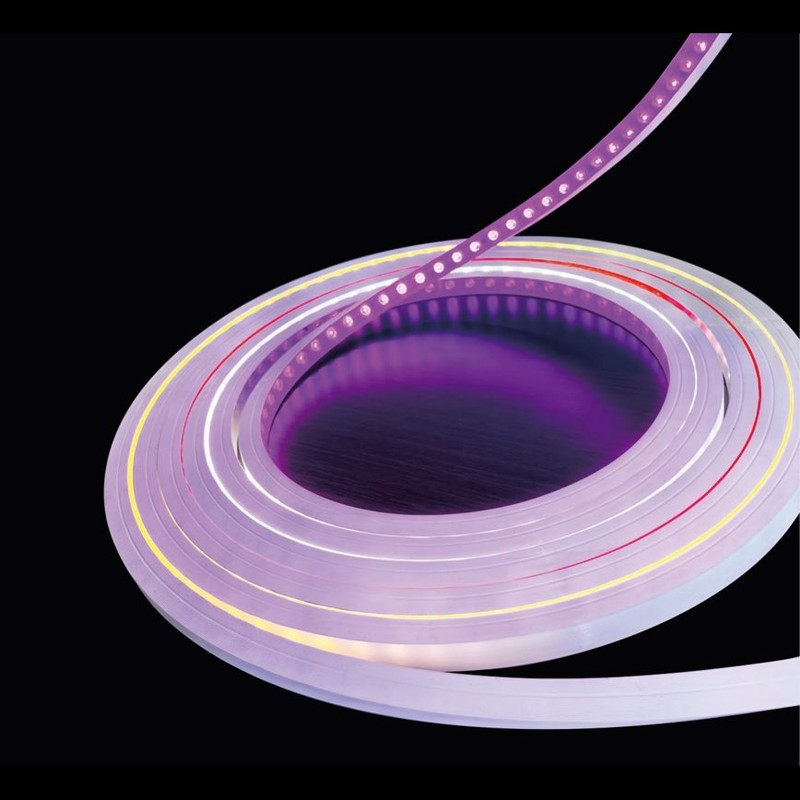
- DMX512 addressable version (SMD5050, 48 chips/m) — RGB and RGBW options at 400 lm/m, with pixels cuttable every 125 mm. This is the version to specify when the façade or interior needs dynamic color scenes and individual control along the run, driven over a standard DMX512 line.
Both versions run on DC24V, so the choice between them is about the effect required — static white and tunable white versus addressable color — rather than a different power infrastructure. The constant-voltage input should be planned together with a suitable 24V power supply, and the DMX512 version additionally with a DMX controller.
Specifications
| LED (CCT version) | SMD2835, 48 chips/m |
|---|---|
| Power | 18 W/m |
| Luminous flux | 1400 lm/m (CCT) / 400 lm/m (DMX512 RGB) |
| CCT range | 2700K–6500K, single-color and dual-CCT |
| Beam angles | 30° / 45° / 60° (25°/45°) |
| Input | DC24V |
| Cutting | One-LED cutting (CCT version); 125 mm cutting on the DMX512 version |
| Bending radius | 150 mm |
| IP rating | IP65 |
| DMX512 option | SMD5050, 48 chips/m, cut 125 mm, RGB / RGBW |
Cutting, bending and everyday protection
Three construction details matter most when planning a run:
- One-LED cutting on the CCT version. The strip can be cut at every LED position rather than at coarse intervals, so the run can be trimmed to fit alcoves, reveals and niche widths closely instead of leaving a noticeable gap at the end.
- A 150 mm bending radius. The flexible silicone body bends around curves and gentle corners with a 150 mm minimum radius, which keeps continuous runs possible on curved walls and rounded reveals without cutting and re-joining.
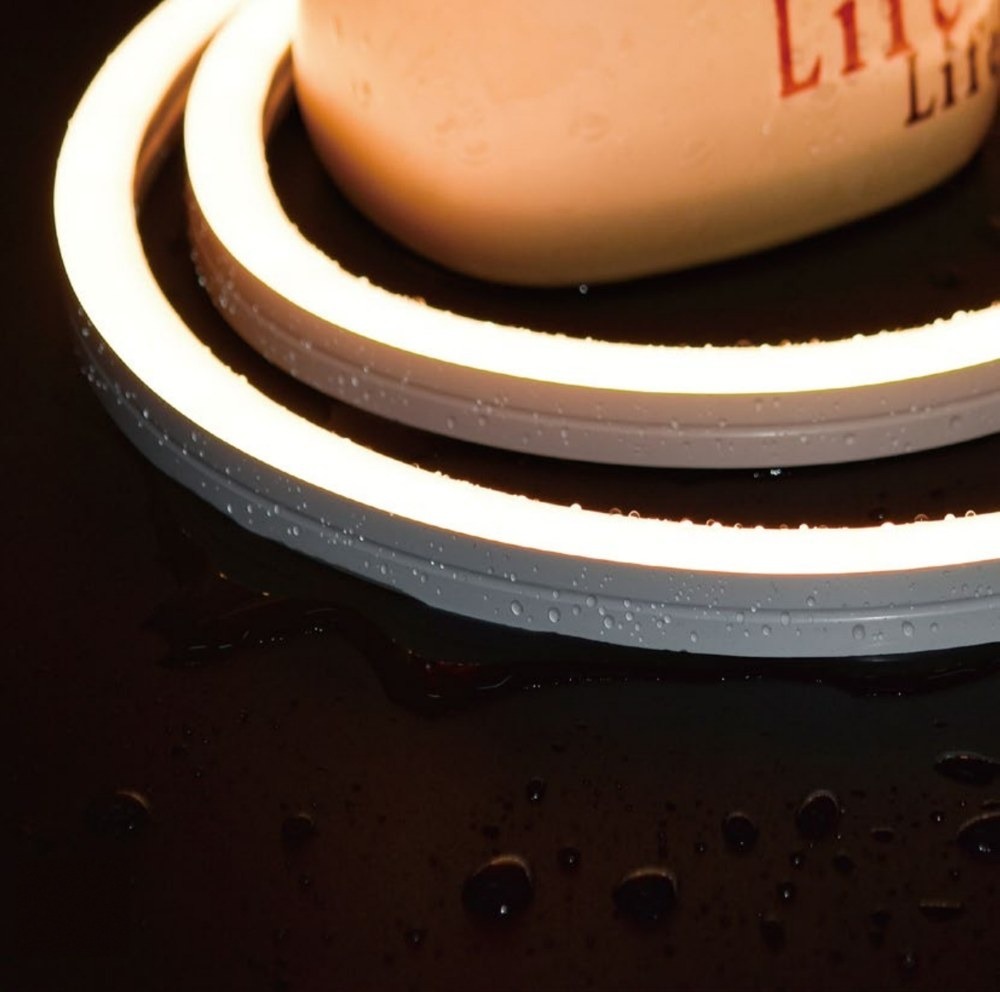
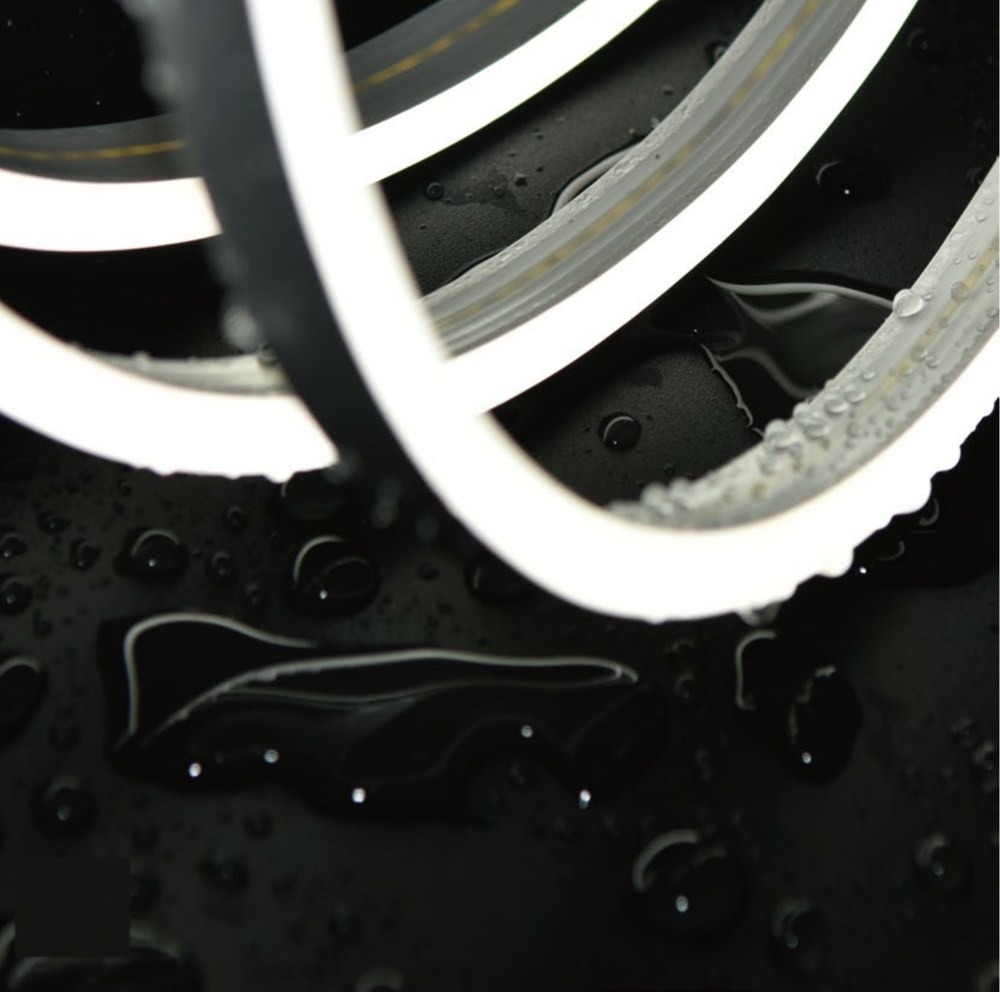
- IP65 protection. The extruded body seals the LEDs behind the silicone, giving the run an IP65 rating — protected against dust and against water jets — which covers the moisture conditions typical of bathrooms, covered outdoor reveals and similar locations.
Where this strip earns its place
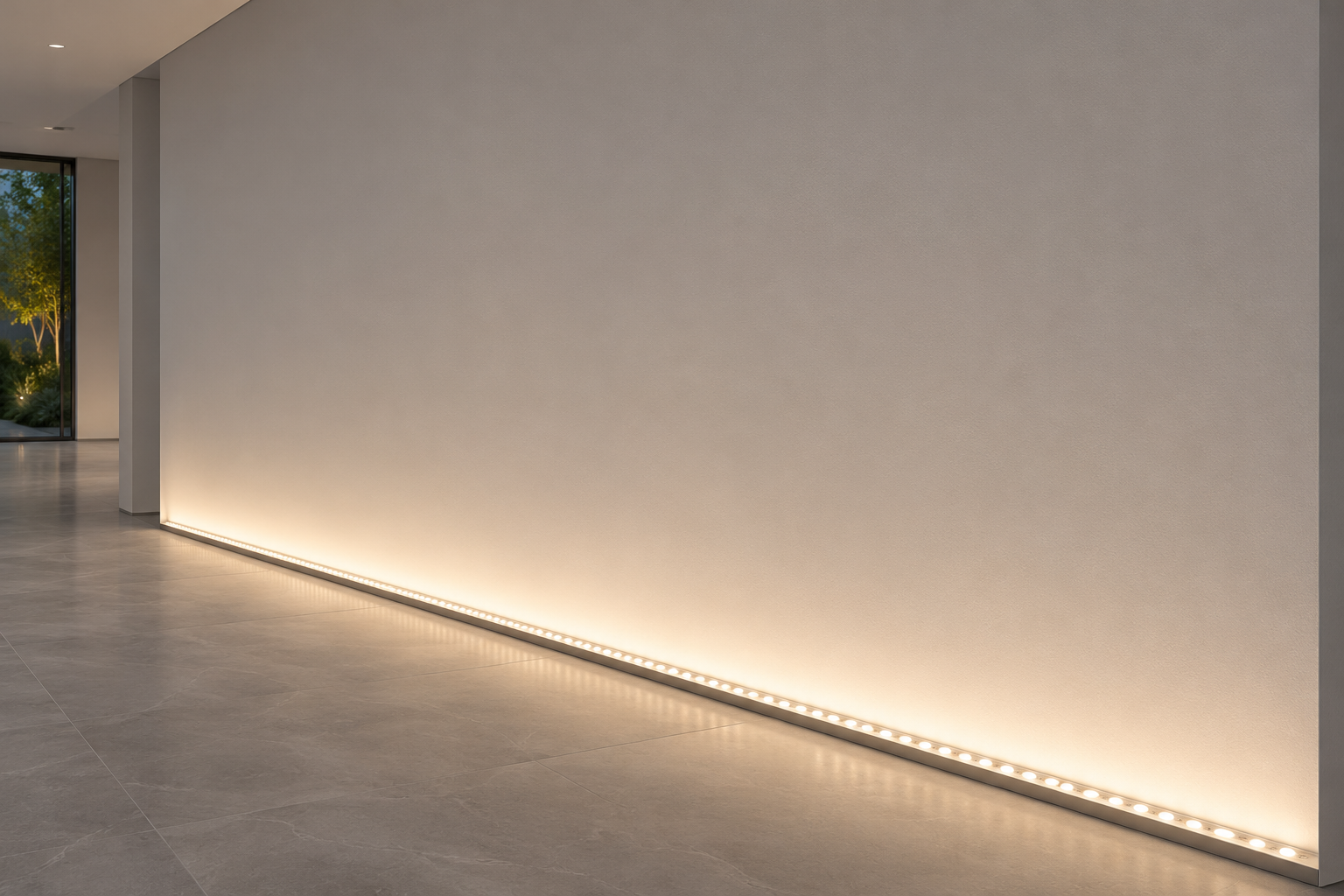
The strip is designed for placements where light must graze a surface from close range: recessed floor lines along corridors and stair edges, cove and reveal details in ceilings and walls, backlighting behind joinery and panels, and covered exterior reveals where the IP65 rating is required. In each of these positions the value of the lens is the same — the wall shows one continuous band of light rather than a row of bright dots — and the choice between the CCT and DMX512 versions decides whether that band is static white or part of a dynamic color scene.
What to confirm before ordering
- Mounting distance and wash height. Measure how far the strip will sit from the wall and how high the light band should reach; this determines the beam angle between 30°, 45° and 60°.
- Static white or addressable color. Confirm whether the project needs single-color or dual-CCT white (CCT version) or dynamic RGB/RGBW scenes (DMX512 version), as the two versions differ in output, cutting and control.
- Run length and cutting points. With one-LED cutting on the CCT version and 125 mm segments on the DMX512 version, list the exact segment lengths required so the runs can be planned without gaps.
- Power and control planning. Both versions run on DC24V; plan the power supply rating against the total wattage, and a DMX controller for the addressable version.
- Sample check of the lens. Because beam-angle appearance depends on the actual wall and distance, a short sample run is the most reliable confirmation before ordering full lengths.
Buyer questions
What is the difference between the CCT and DMX512 versions?The CCT version uses SMD2835 LEDs at 48 chips/m and delivers 1400 lm/m in single-color or dual-CCT white across 2700K–6500K, cuttable at every LED. The DMX512 version uses SMD5050 LEDs at 48 chips/m in RGB or RGBW, delivers 400 lm/m, is cuttable every 125 mm, and is controlled over a DMX512 line for addressable color scenes. Both share the same extruded lens body and DC24V input.
Can the strip be cut to length on site?Yes. The CCT version supports one-LED cutting, so it can be trimmed at every LED position. The DMX512 version is cut at 125 mm intervals. Cut points follow the marked positions on the strip, and the required segment lengths should be planned before ordering.
Is it suitable for outdoor or wet locations?The strip carries an IP65 rating, which means it is dust-tight and protected against water jets. This covers typical bathroom, covered exterior and wash-down-adjacent locations; for fully submerged or continuous direct-rain exposure, the installation detail should be discussed with us before specifying.
How do I choose between 30°, 45° and 60°?Match the lens to the distance between the strip and the wall and the height the light band must reach: closer mounting generally needs a wider spread, longer setbacks suit narrower lenses. The 25°/45° variant offers a combined asymmetric distribution. Confirming with a short sample run on the actual wall is the most reliable final check.
Request a quotation or sample
To help us review your requirement and prepare a quotation or selection response, please include the total run length, the distance from strip to wall, the beam angle you are considering, the CCT or DMX512 version required, and the project type. We can also arrange a sample of the chosen lens for a lighting check on the actual surface.
No product attachments available.
Integrated extruded lens wall washer with 30°/45°/60° beams; single/dual CCT and DMX512 RGB/RGBW options.